
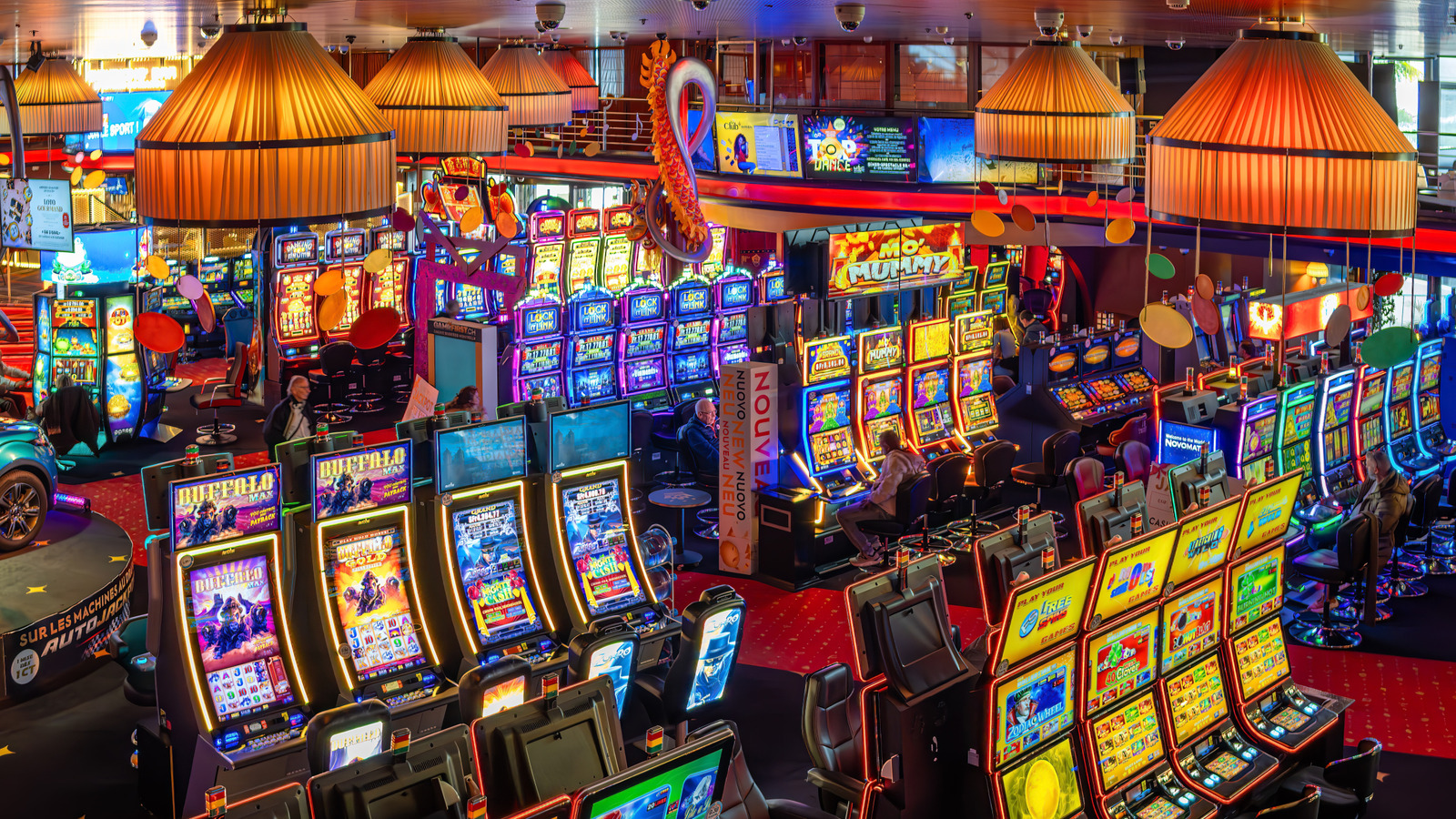
Poland maintains a state monopoly on online casinos through Total Casino. Private operators are excluded from licensing. The betting segment is regulated separately and open to a limited number of companies. Offshore casinos continue to operate outside national jurisdiction. In market analytics, http://rollingslots-eu.com/ is often mentioned as an example of an external offering for users seeking alternatives to the local model.
Table: Basic Market Structure
| Segment | Status | Access |
| Online casino | Monopoly | Restricted |
| Bookmakers | Licensed | Partial |
| Offshore casinos | Illegal | Global |
Table of Contents
Reasons for the growth of the illegal segment
The growth of the illegal market is linked to limited supply. Players are moving to international services where more games and bonus systems are available. The monopoly reduces competition and slows down product innovation.
As a result, the offshore segment consistently maintains demand. Rollingslots casino is often seen by users as one of the alternative options for accessing a broader range of content. Demand structure is shifting toward flexible international solutions, especially in the mobile segment.
Economic model and regulatory limitations
The state model ensures full control over turnover and the tax base. This reduces the risk of market fragmentation and simplifies transaction monitoring. However, the lack of competition leads to slower innovation in product development. In EU countries with licensing regimes, operators compete on UX, bonus mechanics, and user retention. In Poland, this layer is replaced by a single operator.
Rollingslots casino in the user segment is often compared to the monopoly model as an example of a more diverse product structure. Limited competition creates a stable but less dynamic market, where changes occur more slowly than in open jurisdictions.
Table: Model Comparison
| Parameter | Poland | EU licensing |
| Competition | Low | High |
| Innovation | Limited | Fast |
| Operators | 1 | 20–100 |
| Bonus systems | Fixed | Flexible |
Player behavior and demand structure
Players are distributed across three main models: the state operator, the betting segment, and international offshore casinos. The choice depends on content availability and the variety of gaming mechanics. International services provide access to thousands of slots and live games. The domestic market is limited to a single ecosystem. Rollingslots casino is mentioned in user reviews as an example of an alternative experience with an expanded set of gaming options. Player behavior is becoming more analytical: RTP, volatility, and betting limits are taken into account. This compensates for the limitations of the local market and shifts focus toward the mathematical structure of games rather than just visual elements or bonus offers.
Market scale and digital indicators in Poland
Poland remains a major gambling market in Central Europe with a population of around 38 million people. The online segment is growing faster than the offline industry due to the digitalization of payments and mobile device usage. More than half of gaming traffic is generated via smartphones. This increases the influence of international operators and reduces the importance of local channels.
Market estimates point to turnover in the tens of billions of PLN annually. At the same time, a significant share of activity is shifting to the offshore segment. Rollingslots casino is mentioned in analytical reports as part of the global digital distribution of demand, where users choose platforms based on content availability and interface flexibility. Consumption patterns are becoming mobile, and player behavior more fragmented.
Illegal segment and sustainability mechanics
The illegal market operates through a distributed infrastructure. Offshore licenses, domain mirrors, and international payment gateways are used. Regulators apply domain blocking and financial restrictions, but the digital architecture of operators adapts faster. This creates a resilient parallel access system. In this context, Rollingslots casino is viewed as part of the global offshore segment operating outside national regulation.
Key sustainability mechanisms include automatic domain switching, multi-jurisdictional licensing, and integration of alternative payment channels. Blocking systems reduce accessibility but do not eliminate demand.
As a result, a stable external market is formed that exists alongside the legal model and responds to regulatory changes with minimal delay.
Table: Control and bypass mechanics
| Mechanism | Function | Effect |
| DNS blocking | Access restriction | Partial traffic reduction |
| Financial filters | Transaction control | Deposit limitations |
| Mirror sites | Alternative access | Traffic stabilization |
| Offshore licenses | Legal flexibility | Jurisdiction bypass |
Market balance and long-term scenarios
Poland’s market is shaped by three centers: the state operator, licensed bookmakers, and international offshore casinos.
The state sector maintains legal turnover and transaction control. Bookmakers occupy a limited competitive niche.
International operators generate the main external demand due to product range and flexibility. In user perception, Rollingslots casino functions as part of this external layer, where competition is expressed through content and the speed of game mechanics updates. Long-term market development scenarios depend on possible regulatory liberalization within the EU.
In several countries, a shift from monopolies toward licensed models is being discussed. If this trend strengthens, Poland’s market structure may gradually move toward a multi-operator system. This would reduce the share of the shadow segment and redistribute users among legal platforms. However, the current model remains stable due to state control and limited access for private operators.